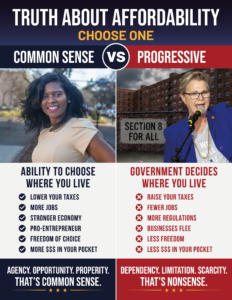
There’s a difference between affordability and the unsustainable “affordable for all” policies progressives promise voters. You’ve heard them: “affordable housing,” “affordable healthcare,” free childcare, free grocery stores.
Three things determine our ability to afford the lifestyle we want: income, skill, and environment.
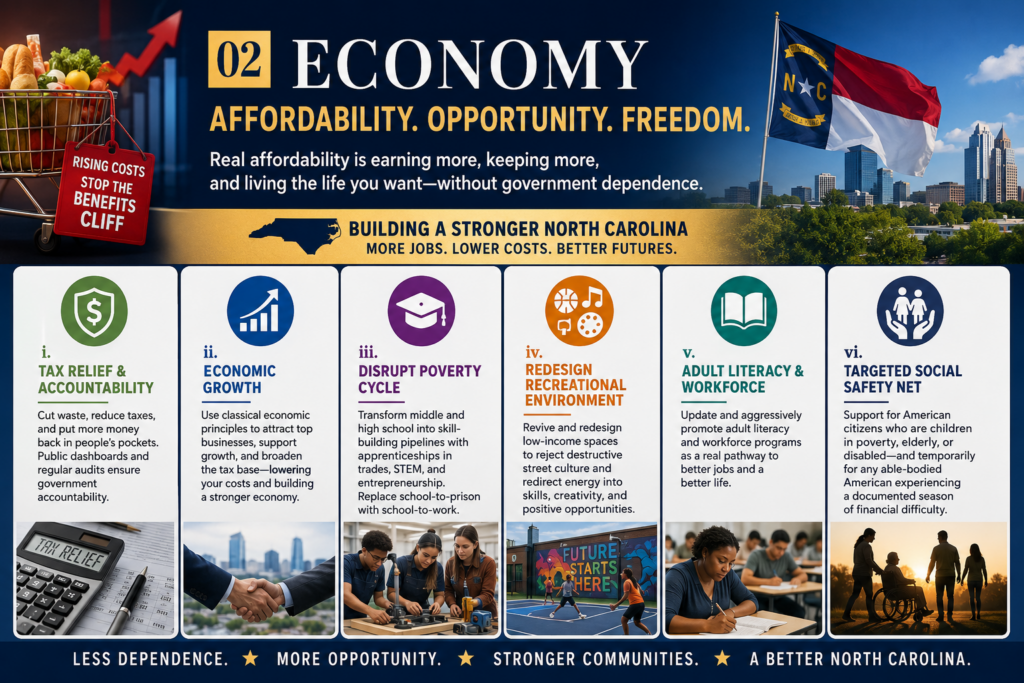
Our biggest wealth-building tool is our income. Taxes and payroll withholding reduce take-home pay and the disposable income necessary for debt freedom or to exit poverty. For the working poor, receiving government subsidies to survive, these taxes trigger a deeper problem, the benefits cliff.
What is the benefits cliff?
As a family’s income rises, however slightly, they lose SNAP, housing assistance, childcare subsidies and other benefits, often faster than their check grows. The combined effect can claw back nearly every extra dollar earned, so working more barely improves — or actually worsens — a family’s bottom line. A native New Yorker posted an explicit grievance describing this progressive policy problem in contrast to the universal childcare relief Mamdani promised.
Consequently, many working-class families end up trapped at or below the poverty line because it pays better to stay there than the effort required to climb out of it. In other words, affordable healthcare, housing, free groceries, and childcare benefits those with no plans to exit poverty the most.
My vision for North Carolinians is real affordability, not generational government dependence.
My policy positions, listed here, are grounded in common sense and classical economic principles that address what I see as a leading cause of the affordability crisis, both locally and nationally: government-sponsored poverty.